

 778-241-5664
2026
Using Cedar Hedges Reduce Street Noise for Homes in Greater Vancouver
Living in Greater Vancouver offers incredible access to nature, vibrant communities, and stunning scenery. However, the hustle and bustle of city life often comes with an unwanted side effect: street noise.
While solid fences and concrete walls are common solutions, they can feel stark and unwelcoming. A more natural, aesthetically pleasing alternative is planting a dense cedar hedge. These living barriers not only enhance the beauty of your property but also provide significant sound-dampening benefits.
Let's explore how incorporating cedar hedges into your landscape design can help you reclaim the quiet comfort of your Greater Vancouver home.
Understanding How Plants Absorb and Deflect Sound
To appreciate how a cedar hedge reduces noise, it is helpful to understand the basic principles of sound travel. Sound waves move through the air, and when they encounter an obstacle, they are either reflected, absorbed, or refracted. Hard surfaces like concrete walls primarily reflect sound, sometimes bouncing it back into the environment or creating an echo effect.
Plants, on the other hand, are excellent at absorbing and deflecting sound waves. The complex structure of leaves, branches, and wood creates a porous barrier that traps sound energy. As the sound waves pass through the dense foliage, they lose intensity, resulting in a noticeable reduction in noise levels on the other side.
When considering plants for noise reduction, several factors contribute to their effectiveness:
- The density of the foliage and the thickness of the branches
- The overall height and width of the planted barrier
- The placement of the plants relative to the noise source
- The type of leaves, with rough or textured surfaces absorbing more sound
Because of their dense, evergreen nature, cedars are particularly well-suited for this task. They provide a continuous, year-round barrier that effectively breaks up and absorbs the intrusive sounds of city traffic.
The Superior Density of Emerald and Smaragd Cedars
Not all trees are created equal when it comes to blocking noise. Deciduous trees, which lose their leaves in the winter, offer little to no sound protection during the colder months. For a year-round solution in the Lower Mainland, evergreen conifers are the best choice. Among evergreens, specific varieties of cedar stand out for their exceptional density and growth habits.
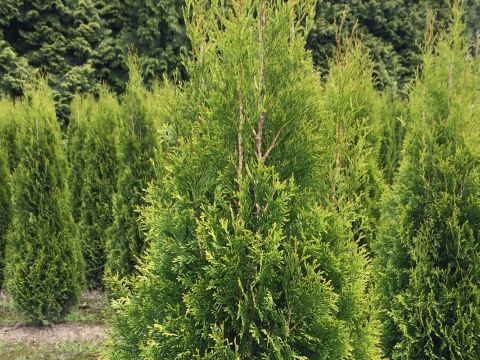
Emerald and Smaragd cedars are highly favoured for creating sound barriers. These varieties grow in a tight, columnar shape, producing thick, lush foliage from the ground up. This dense growth pattern leaves very few gaps for sound waves to slip through, making them highly effective at muffling street noise.
Here are a few reasons why these specific cedars excel at noise reduction:
- They maintain their thick foliage all year, providing consistent sound dampening
- Their tight growth habit creates a solid wall of greenery when planted together
- They grow tall enough to block noise from elevated sources, like large trucks
- Their textured needles are highly efficient at absorbing sound energy
By choosing the right variety of cedar, you maximize the noise-reducing potential of your living barrier. Their natural density is the key to creating a quieter, more serene backyard environment.
Strategic Placement for Maximum Noise Reduction
Planting a cedar hedge is a great first step, but where you place it significantly impacts its effectiveness. To achieve the best results, the hedge should be positioned as close to the noise source as possible, or as close to the area you want to protect. In most residential settings, this means planting the hedge along the property line bordering the busy street.
The goal is to intercept the sound waves before they have a chance to spread across your yard. A hedge planted right at the edge of your property acts as a primary shield, absorbing the brunt of the traffic noise. If you have a large yard, you might also consider a secondary, smaller hedge closer to your patio or seating area for added protection.
When planning the layout of your noise-reducing hedge, keep these strategic tips in mind:
- Plant the cedars in a continuous, unbroken line to prevent sound leaks
- Ensure the hedge extends past the edges of the area you want to protect
- Consider planting a staggered, double row for even greater sound absorption
- Leave adequate space between the hedge and the street for future growth
Proper placement ensures that your cedar hedge performs optimally as a sound barrier. Taking the time to plan the layout will yield a much quieter and more enjoyable outdoor living space.
The Added Benefits of Privacy and Wind Protection
While reducing street noise is a primary goal, a cedar hedge offers several secondary benefits that enhance your property's value and comfort. One of the most immediate advantages is the creation of a private sanctuary. A tall, dense hedge blocks the view from the street and neighboring properties, allowing you to enjoy your yard without feeling exposed.
In addition to privacy, cedar hedges act as excellent windbreaks. The Lower Mainland can experience strong, blustery winds, especially during the fall and winter months. A solid wall of cedars significantly reduces wind speed, protecting your garden, patio furniture, and even your home from the elements.
Consider these additional advantages when deciding to plant a cedar hedge:
- Creates a lush, green backdrop that enhances the aesthetic appeal of your yard
- Provides a natural habitat and shelter for local birds and wildlife
- Helps to filter dust and pollution from the street before it reaches your home
- Increases your property value by adding mature, attractive landscaping
By choosing a living barrier, you are investing in a multi-functional landscape feature. It is a natural solution that improves your quality of life in more ways than one.
Maintaining Your Hedge for Optimal Performance
To ensure your cedar hedge continues to effectively block noise, regular maintenance is essential. A healthy, vigorous hedge will have thicker foliage and fewer gaps, maximizing its sound-absorbing capabilities. Neglected cedars can become sparse and leggy, allowing sound waves to easily pass through the branches.
Proper watering, especially during the dry summer months, is crucial for keeping your cedars, lush and green. Additionally, regular pruning encourages dense, compact growth. Trimming the tops and sides of the hedge helps it maintain a solid, uniform shape, which is vital for blocking noise.
To keep your noise-reducing hedge in top condition, follow these maintenance guidelines:
- Water deeply and consistently, particularly during the first few years of growth
- Apply a layer of mulch around the base to retain moisture and suppress weeds
- Prune the hedge annually to encourage thick, bushy foliage
- Monitor for signs of pests or disease and address them promptly
If you are unsure about the best practices for your specific trees, reviewing cedar hedge pruning considerations can provide valuable guidance. A well-maintained hedge is your best defense against unwanted street noise.
Create a Peaceful Outdoor Sanctuary For Yourself
Investing in a high-quality cedar hedge not only dampens unwanted noise but also provides privacy, wind protection, and a stunning visual backdrop for your home.
With strategic placement and proper maintenance, your hedge will serve as a reliable sound barrier for decades. Embrace the tranquility that nature provides and enjoy a quieter, more relaxing outdoor living space.
Pacific West Cedar provides consumers with the ability to purchase premium cedar trees directly from our farm in Langley. If you have questions about cedars, contact us and we'll be happy to help. 778-241-5664


