

 778-241-5664
2026
When Are Boxwoods a Better Choice Than Cedars for Hedging?
Sometimes people puzzle over whether boxwoods or cedars are a better choice for the hedges in their yards. Both boxwoods and hedges make great hedges, but they are slightly different. In today’s blog article, we will discuss when boxwoods might make a better choice between the two.
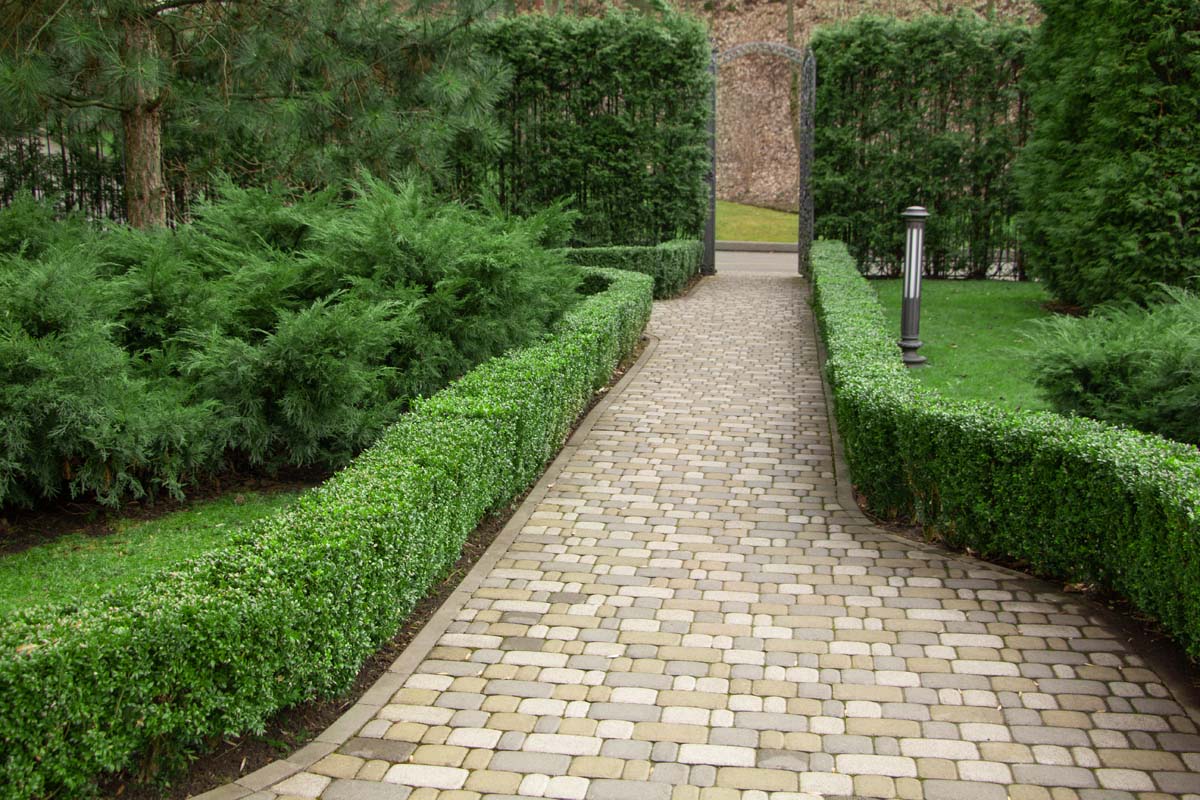
Boxwoods are evergreen, broadleaf shrubs from the genus, Buxus. They are slow growing, but very dense. They lend themselves to all kinds of pruning and shaping, so are an excellent choice if you want a very manicured look.
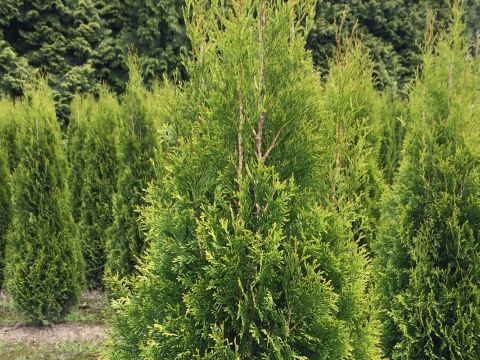
Hedge cedars can (and should) be pruned, but they will always be more shaggy and natural looking. Cedars can never be pruned to the same precision as boxwoods.
Choose Boxwoods for a Neat, Manicured Hedge
So, which one you choose depends on what you want. If you like a more natural look, then cedars look more natural. If you want something neat and manicured, then you will be happier with boxwoods. You may also want to consider scale. Boxwoods will grow more slowly and are ideal for a shorter hedge maybe in front of a smaller home. Cedars are better suited for a larger scale, such as a bigger home or bigger property.
Birds will like either boxwoods or cedars. Birds will not eat boxwoods, but they will find shelter and nest inside them.
Choose Cedars for Faster Privacy
Cedars are also faster growing than boxwoods. So, if you want a fast privacy hedge, then cedars are a better choice. They will grow tall and fill in very quickly.
Boxwoods Are a Long-Term Hedging Choice
Boxwoods, however, are very long lived. They are slower growing, but they can live 100 years. So, if longevity is your goal, then choose boxwoods.
Each of these has advantages and disadvantages. Consider your specific yard and planting area to make the best choice.
For new cedar hedging, give us a call on the Lower Mainland at (778) 241-5664. This is our business and area of expertise.
Pacific West Cedars, based in Langley, British Columbia, farms, supplies, and installs cedar hedging on the Lower Mainland. They offer two kinds of cedars plus boxwoods: Western Red Cedar (Thuja plicata), and Emerald Cedars (Thuja occidentalis “Smaragd”). They work with landscapers, contractors, and also directly with the public.
If you have any questions about this article or would like to talk to us about cedars, we encourage you to call us at (778) 241-5664.


