

 778-241-5664
2025
Why Root Barriers Matter When Planting Cedars Near Driveways and Walkways
It is important to consider root barriers when planting cedars or any other large shrub or tree. Root barriers can have a big effect on the growth and the life of the shrub or tree if the barriers are extensive. In today’s blog article we want to discuss root barriers and how you should think about them when planting.
Why Cedar Roots Need Room to Grow
Roots play many roles in the life of a plant. They take up water and nourishment from the soil, anchor the plant for stability, and newer research shows that roots also communicate with other nearby plants and can sense the availability of water. The point here is that if roots are prevented from growing and performing these roles, there can be a significant adverse effect on the plant.
Planting Cedars Near Driveways and Walkways
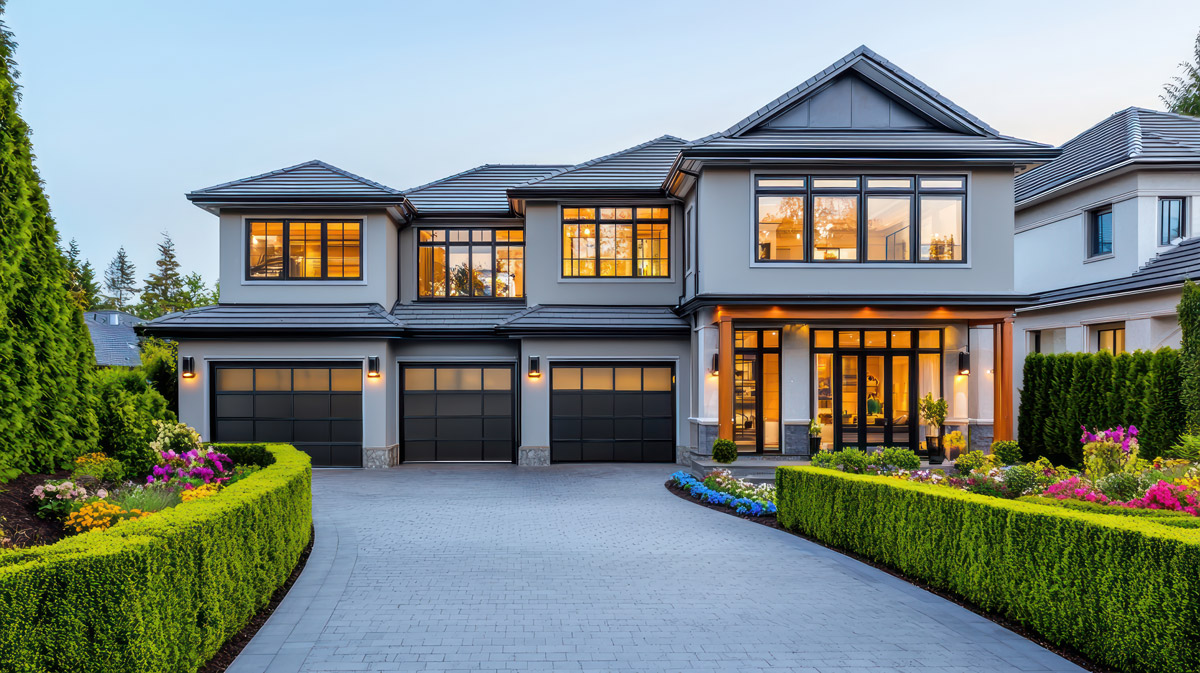
Planting cedars near driveways or walkways can be a problem. Depending on how deep the driveways or walkways disturb the soil (such as with added concrete or sand) roots on one side of a plant can suffer. This can affect the growth on that side of the cedar but can also ultimately damage the whole shrub.
Another potential problem is that the cedar can damage the driveway or walkway if the roots are tougher than the manmade path, causing it to buckle and crack. So, there are several reasons to plant as far as possible from driveways and walkways.
If the driveways or walkway are not very deep, then cedars can allow the root to grow under them. However, this still can be problem for the path 10 years down the road.
How Root Restrictions Can Affect Young Cedars
Just as animals and humans can have failure to thrive from less than ideal growing conditions when they are young, so can trees and shrubs. Anything affecting the root spread and growth of a young cedar can inhibit its growth, and even final size.
Give Cedars Enough Space for Healthy Roots
Our advice is just to plant a few feet away from driveways and walkways and give your cedar’s the space it needs for root health.
Pacific West Cedars, based in Langley, British Columbia, farms, supplies, and installs cedar hedging on the Lower Mainland. They offer two kinds of cedars plus boxwoods: Western Red Cedar (Thuja plicata), and Emerald Cedars (Thuja occidentalis “Smaragd”). They work with landscapers, contractors, and also directly with the public.
If you have any questions about this article or would like to talk to us about cedars, we encourage you to call us at (778) 241-5664.


